
By: Aubrey Edwards
If you ever thought a fashion trend was gone for good, there is a huge possibility that you are mistaken. Over the years fashion trends have started when new styles are introduced by designers, cultural figures, or everyday people. Trends typically stay relevant because they satisfy deep physiological needs for belonging and self expression while reflecting current cultural, economic, and technological shifts. When people wear popular styles it gives them a sense of belonging and community. Fashion gives people a sense of self-expression to help visualize your identity.
Freshman Leann Richards feels that fashion is good because it can help show how everyone is different and how people live their lives.
“I think it’s good because everyone is different. You can really see how people live their lives through fashion.”
When it comes to regrets on past fashion trends there is no doubt that people have a few. A widely talked about regret is the trend of statement necklaces. This is due to their loudness and how heavy and chunky they were. However, FH Substitute teacher Becky Pidcock thinks otherwise.
“I love them, they are like a scarf but in the jewelry world. I think they are going to make a huge comeback,” Pidcock stated.
Fast fashion is a huge system of producing cheap, trendy clothing rapidly to mirror runway and internet styles. There are many environmental concerns with fast fashion. The carbon and water footprint: the industry causes up to ten percent of global carbon emissions and uses massive amounts of water for cotton and synthetic dying. Synthetic materials: most items use plastic based fibers that release microplastics when washed. Due to exploitation, many factory workers face dangerous working conditions, long hours, and wages well below the living standard. The disposability: many only wear them a few times before they start to fall apart.
Freshman Callie Goodfellow has very strong thoughts on the fast fashion industry.
“It is horrible, I feel that it is destroying our environment. Fast fashion is also just not a sustainable source when it comes to buying clothes.”
According to “ The Sustainable Agency” it is proven that the fast fashion industry is responsible for 92 million tons of waste annually. It is estimated to project to rise to 134 million tons by 2030.
However, there are many reasons why people are drawn to fast fashion. The affordability, supporters or everyday buyers point to low prices and constant style updates. This is great for young shoppers who are on a budget.
Nevertheless, people are slowly starting to turn away from the fast fashion industry and are starting to gravitate towards better alternatives like thrift shopping, clothing rentals, and buying durable pieces. These are amazing alternatives to fast fashion due to their environmental sustainability.
Freshman Ruth Clever feels that thrift shopping is not only fun for the soul it is also so much better for the environment.
“Thrift shopping not only is so much better for the environment, but it is also so much more fun. You experience the joy of searching then finding a piece of clothing that you love.”
Social media can accelerate fashion tremendously in many different ways. One way it can change is by the cycles from season schedules to real-time, algorithmic microtrends. Social media has brought back numerous trends including Y2K fashion, which includes low-rise jeans, baby tee’s, and chunky shoes. Social media has economically shifted fashion trends by directly shaping what we wear by altering consumer budgets, production costs, and cultural moods. A trend that social media created that is slowly starting to work its way to high end retail is the casual tailoring and formal street-wear.
A brand that is losing cultural relevance and going out of style include these fast fashion brands like Fashion Nova. This is due to the brand relying on oversaturated loud pieces rather than good, plain staple pieces. Brands that could never go out of style include timeless and elegant pieces like Chanel, Ralph Lauren, and Burberry.
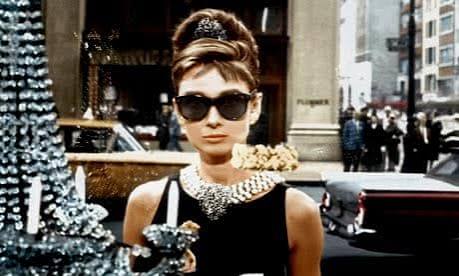
On-screen aesthetics can translate directly into real-world consumer demand. A movie that has changed the world of fashion is “Breakfast at Tiffany’s.” This movie has changed the game when it comes to elegant styles like black dresses and the fascination with pearls. “Clueless” introduced the preppy school girl style. This includes miniskirts and knee high socks. Going off of the style of “Clueless” is “Gossip Girl.” Gossip Girl introduced the elite prep school vibe.
Federal Hocking Social Studies teacher Emma Harter feels that the early 2000’s shows had a huge impact on the fashion trends.
“Gilmore Girls had a huge impact on my style, it influenced my music and fashion. Rory Gilmore was my inspiration.”
Fashion is ever changing just as the seasons. Trends from the 60’s are repeating. What trends would you like to see come back?


